


Hipcamp: Camping, RVs & Cabins
4.82.96K Reviews
App Specs
- Version
- 4.19.0
- Updated On
- License
- Free
- Downloads
- 1,000,000+
- Developer
- Hipcamp, Inc.
- Categories
- Travel & Local
- Platform
- Android, iOS
Screenshots
 Analysis by AppCompare
If you're feeling the call of the wild but aren't quite sure where to start your adventure, Hipcamp: Camping, RVs & Cabins might just be your new best friend. I recently took it for a spin, and let me tell you, it’s like having a personal camping concierge right in your pocket. Whether you're a seasoned camper or a newbie looking to dip your toes into the great outdoors, this app offers something for everyone.
Before you start searching
Hipcamp is a free travel app from Hipcamp, Inc., and its focus is finding places to stay outdoors rather than planning every part of a trip. It has a 4.8 average from around 14,000 ratings, and more than a million installs. The app is rated for everyone, so it can suit a family comparing a simple tent site with a cabin just as well as a solo camper looking for a quiet night away.
It helps to decide what kind of trip you actually want before opening the search. A tent site, an RV-friendly place, and a cabin can appear in the same broad browsing journey, but they call for different practical checks. I’d first settle on the travel dates, the number of people, and the kind of accommodation, then compare the remaining options by location and facilities. That small bit of preparation makes browsing less like scrolling through a catalog and more like narrowing down a real plan.
One useful habit is to keep a short list of non-negotiables. For an RV trip, that might be whether the site suits the vehicle and whether the listed facilities meet your needs. For a tent weekend, it could be pet-friendliness or a setting that feels private. Filters help reduce the field, but I wouldn’t treat a filter as a substitute for reading a listing carefully. A result can match your broad preferences while still being a poor fit for the way you travel.
That distinction matters most when you’re booking somewhere unfamiliar. The app can make options easier to discover, but you still need to judge whether a site’s description answers the questions that matter to your group. I’d check the details that could change the trip, rather than assuming that a lovely photo or a high-level category tells the whole story.
Discover Your Perfect Spot
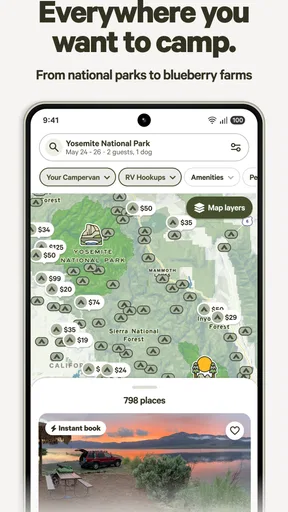
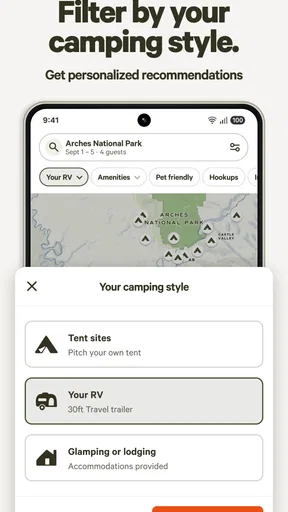
One of the coolest features of the Hipcamp app is its vast database of camping spots. You can browse through thousands of options, from rustic tent sites to glamping-friendly RV spots and cozy cabins. It’s all about finding that perfect place that matches your vibe. The app's search functionality is super intuitive—you can filter by location, camping type, amenities, and even pet-friendliness. Who doesn't want to bring their furry friend along for the ride?
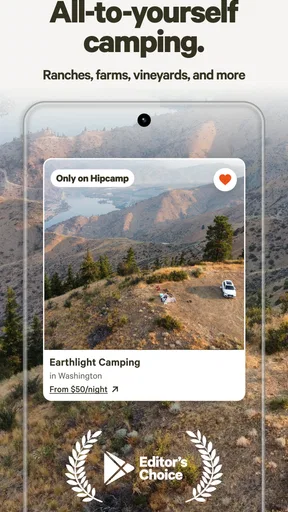
As someone who prefers a bit of solitude, I loved the option to find more secluded spots. There's nothing quite like waking up to the sound of birds and the rustle of leaves without another soul in sight. If you're more into social camping, there are plenty of spots with communal areas perfect for meeting fellow adventurers.
Worth Reading Before You Choose

EA SPORTS FC Mobile 26 Is a Bigger Football Game, but It Takes Time

Flipboard Shows What News Apps Must Do Beyond the Feed

Switching to Android Auto Means Rethinking Your Driving Routine

Google Calendar Makes a Crowded Week Easier to Manage

Ludo King Makes the Most of the Minutes Between Plans

Baby Panda World Brings Quick Play to Modern Phones, but Its Game Library Feels Busy
Choosing between unusual stays and familiar campgrounds
The main difference I notice compared with starting on a standard campground directory is the emphasis on varied places and individual hosts. That can make Hipcamp especially appealing if you’ve already tried the familiar public campground options and want to compare a different kind of setting. A private property can offer a more personal atmosphere, while a conventional campground may be the more straightforward choice if you prefer a predictable layout and a familiar style of facilities.
For a practical example, imagine a Friday afternoon when you realize you have a free weekend and want to take a dog somewhere within a manageable drive. I’d set the destination area and dates first, apply the pet filter, and then compare a small handful of results rather than choosing the first attractive photo. I’d read the details and camper comments for clues about the setting, then make sure the place suits the kind of stay I want: quiet and simple, or closer to shared spaces. That process helps avoid booking a pretty location that doesn’t work for the actual people and gear coming along.
There’s a trade-off to the variety. Unusual and private stays can be the reason to use Hipcamp, but they may not feel interchangeable with a large, established campground. If you need a very specific facility or want a standardized experience, compare the listing carefully and consider a conventional campground search as well. For someone who values discovery and distinctive places over uniformity, Hipcamp has a stronger case.
Easy Booking and Reliable Reviews
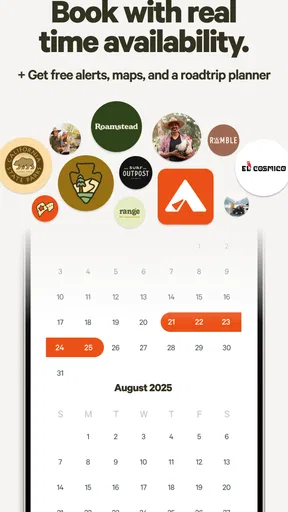
Booking a site is as easy as pie. Once you’ve found your dream spot, you can see availability in real-time and snag it before someone else does. What’s more, the app includes reviews from other campers. These insights are gold when trying to decide if a place is worth your time. I found myself scrolling through reviews, nodding along with other users' comments about the stunning views or the cleanliness of the facilities. It really helps paint a clear picture of what to expect.
I’ve had my fair share of camping mishaps in the past, so reading these reviews beforehand gave me that extra peace of mind. Plus, leaving my own review afterward felt like I was contributing to this helpful community of outdoor enthusiasts.
Reading reviews with a useful level of skepticism
I get the most value from reviews when I use them to answer a particular question, not just to decide whether a place is “good.” Look for comments that relate to your trip: how the setting felt, whether a feature you care about was useful, or what other guests noticed about the stay. A glowing review can still be irrelevant if it describes a different kind of visit from yours. Recent, specific observations are generally more helpful than broad praise.
If something essential remains unclear after checking the listing and reviews, I wouldn’t guess. I’d pause before booking and use the available booking or host communication route to clarify it. That’s a better workflow than relying on an assumption and discovering at arrival that the site doesn’t meet a need. The app helps put options and other campers’ experiences in one place; it can’t make a vague detail precise on your behalf.
It’s also worth separating a booking problem from a search problem. If a place appears suitable but the dates don’t work, try adjusting the dates or widening the search area before abandoning the idea. If the listing itself doesn’t answer a question that matters, changing filters won’t solve that uncertainty. Knowing which issue you’re facing saves time and keeps the search from turning into repeated, unhelpful tapping.
Offline Access and Useful Tips
Another standout feature is the app's offline access. Let’s face it, when you're out in the wilderness, cell service can be spotty at best. With Hipcamp, you can download all your trip details beforehand. This means you’ll have all the necessary information at your fingertips, even when you’re off the grid. It's a lifesaver, especially if you're someone who likes to plan every detail.
The app also provides useful tips and guides—everything from packing essentials to safety advice. It’s like having a seasoned camper whispering in your ear, ensuring you’re prepared for whatever Mother Nature throws your way.
Set up a dependable trip workflow
Even if I expect to use offline access, I prepare while I still have a reliable connection. I’d open the chosen trip details before leaving, download what I need in the app, and make sure I can find the information again without having to search from scratch. I’d also keep a separate note of the destination and any important instructions I’ll need on the way. That is simple backup planning, not a replacement for the app, and it reduces stress if reception disappears at an inconvenient moment.
If a screen or search seems stuck, I start with basic checks: confirm the dates and location are still what I intended, close and reopen the app, and check that the phone has a working connection when I’m trying to browse or complete an online step. If the trip is already saved for offline use, I’d switch to the saved details rather than repeatedly refreshing in an area with no service. These are general troubleshooting steps, not a guarantee that every booking issue can be fixed locally.
For a trip that depends on a particular amenity, I’d verify the detail before setting off instead of relying on memory. The same goes for arrival information: review it while planning and keep the relevant details accessible. This is especially useful for a late arrival or a drive through an area where a last-minute search may be inconvenient. Preparation doesn’t remove every surprise, but it makes the app more useful when the phone signal is less dependable.
When a problem is not the app
Camping plans depend on more than a booking screen. A weak signal can make an online search difficult even when the app is working normally, and weather, road conditions, or a change in personal plans can affect whether a site is still right for you. I try to separate those outside factors from an actual app problem: first check whether the phone is online, then whether the details I need were saved, and only then decide whether I need to troubleshoot the app itself.
Likewise, finding a place in search doesn’t mean it automatically fits every vehicle, pet, group, or accessibility need. Those are trip-specific questions. If the listing and reviews don’t settle an important point, choose a more clearly described option or get clarification before committing. I’d rather spend a few minutes checking than treat a search result as a promise about details I haven’t verified.
A Community-Driven Experience
What really sets Hipcamp apart is its community-driven approach. The app connects you with local landowners who open up their properties for camping. This not only expands your options but also supports local communities. It’s a win-win situation where you get to enjoy unique spots while contributing to small-scale enterprises.
During my adventures, I stayed on a charming farm where the host provided fresh eggs for breakfast. These little interactions make each trip special and memorable. It’s these personal touches that you might miss at a traditional campground, making Hipcamp a standout choice for those seeking unique experiences.
Who will enjoy it, and who may prefer another route
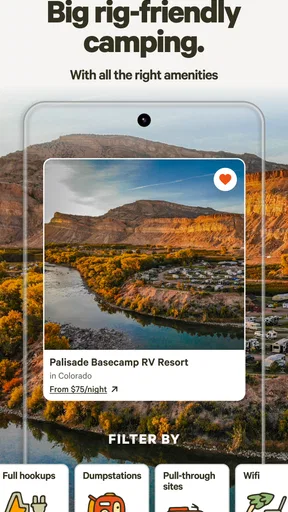
I’d recommend Hipcamp to people who like comparing different types of outdoor stays, especially travelers who are open to private properties and host-run experiences. It can be a good fit for a couple looking for a quiet weekend, friends planning a tent trip, or an RV traveler who wants to explore options beyond familiar campgrounds. The mix of search filters and camper feedback is useful when you know what you want but don’t yet know where to find it.
I’d be more cautious if your plans require a highly standardized site or depend on a feature that a listing doesn’t clearly explain. A traditional campground directory or a direct search for a particular established campground may be better when certainty about a specific facility matters more than discovering a distinctive setting. Hipcamp is a discovery and booking tool, not a reason to skip the practical checks that make a trip work.
The app is free, and its current version is 4.15.0, with Android support starting at version 7.0. Those details make it easy to consider as a no-cost addition to a travel toolkit, but I’d still judge it by whether its available places match the way I camp. For a newcomer, it can help turn a vague “let’s get outside” idea into a shortlist. For a frequent camper, it can bring less familiar stays into the search without replacing every other planning resource.
All in all, Hipcamp: Camping, RVs & Cabins is more than just an app; it’s a gateway to adventure. Whether you're planning a weekend getaway or a longer escapade, it offers the tools and information you need to make your trip a success. Happy camping!
Pros
- Easy to navigate interface.
- Wide variety of camping options.
- Detailed site descriptions.
- User reviews and ratings.
- Booking directly through the app.
Cons
- Some listings lack photos.
- Occasional app crashes.
- Limited offline functionality.
- Not all regions are covered.
- Booking fees may apply.
FAQs for Hipcamp: Camping, RVs & Cabins
What is Hipcamp and how does it work?
Hipcamp is an app that connects outdoor enthusiasts with unique camping experiences. It allows users to discover and book campsites, RV parks, and cabins across various private and public lands. After setting up an account, users can search based on location, type of accommodation, and available amenities, making it easy to plan their next outdoor adventure.
Is Hipcamp available for both Android and iOS devices?
Yes, Hipcamp is available for download on both Android and iOS devices. You can find the app on Google Play Store for Android users and the Apple App Store for iOS users. This makes it accessible to a wide range of users who want to explore camping options on different operating systems.
What kind of accommodations can I find on Hipcamp?
Hipcamp offers a diverse range of accommodations including traditional campsites, RV parks, unique cabins, yurts, and glamping spots. The app provides detailed descriptions and photos of each listing, helping users choose the perfect setting for their outdoor escape, whether they're looking for a rustic experience or something more luxurious.
Are there any fees involved with booking through Hipcamp?
Hipcamp charges a small service fee on top of the accommodation price to help cover the costs of operating the platform. This fee is clearly displayed during the booking process. Hosts set their own prices, so the total cost can vary based on the type of accommodation and location.
Can I host my own land on Hipcamp?
Yes, landowners can host their properties on Hipcamp. By signing up as a host, you can list your land, specify available amenities, and set your own prices. Hosting on Hipcamp provides an opportunity to earn extra income while sharing your love for the great outdoors with others.


